Trauma isn’t something people just “get over.” It can leave a deep mark on the mind and body, sometimes shaping the way a person thinks, feels, and reacts for years. Everyone’s experience is different, but one thing is clear: trauma changes mental health in powerful ways.
In this article, we’ll break down what trauma really is, how it affects the brain, the signs to watch for, and how adults can cope and heal.
What Exactly Is Trauma?
Trauma happens when something overwhelms your ability to cope. It doesn’t have to be one big event—it can also be a series of smaller but painful experiences that build up over time.
It can come from dramatic events like car accidents, assaults, or natural disasters.
But it can also come from less obvious sources—like ongoing stress, emotional neglect, bullying, or growing up in a chaotic household.
Some people bounce back quickly, while others carry the weight of trauma for years. There’s no “right” or “wrong” way to respond.
Different Types of Trauma Adults Face
Trauma isn’t one-size-fits-all. Here are some of the most common types:
Acute Trauma – A single shocking event (like a car accident).
Chronic Trauma – Repeated harmful experiences over time (such as abuse or harassment).
Complex Trauma – Multiple overlapping traumas, often over years.
Developmental Trauma – Trauma that happens in childhood and shapes how the brain and emotions develop.
Secondary Trauma – Stress that comes from helping others through trauma (common among healthcare workers, first responders, or therapists).
The type of trauma matters—it often influences how recovery looks later in life.
How Trauma Affects the Brain
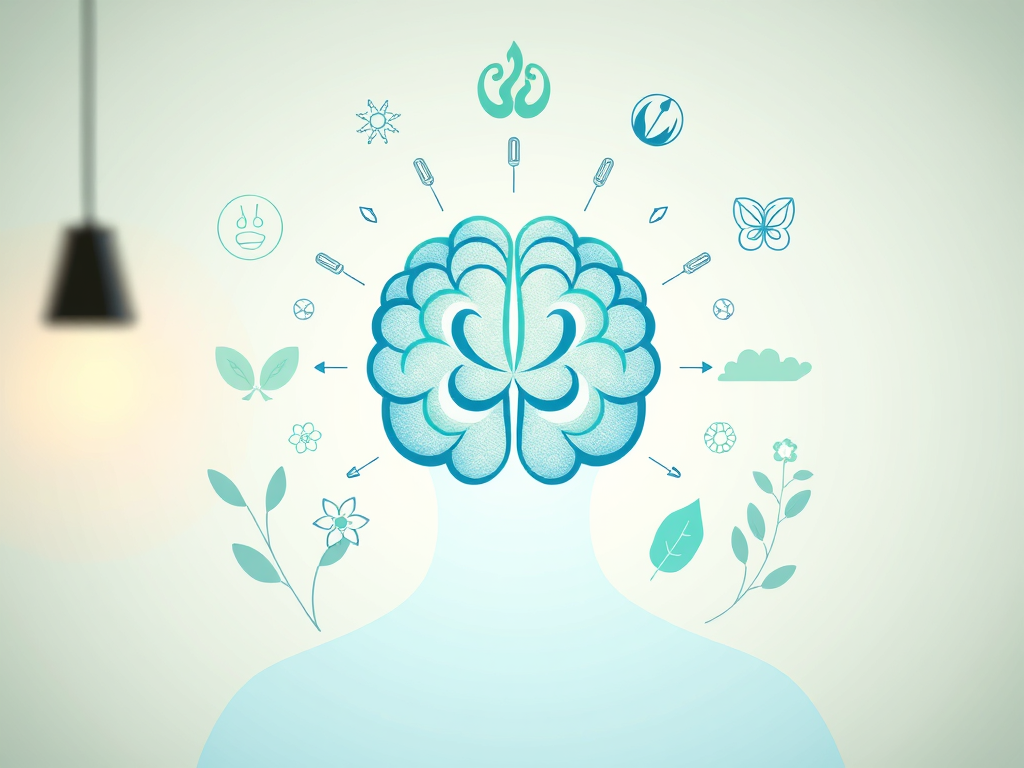
Trauma doesn’t just leave emotional scars—it actually changes how the brain works. It can affect areas that handle memory, emotions, and stress.
That’s why survivors may struggle with things like concentration, regulating emotions, or feeling constantly on edge. Sometimes the brain heals over time, but for many, the effects last years.
Signs of Trauma in Adults
Trauma can show up in emotional, behavioral, and physical ways.
Emotional Signs
Feeling anxious, on edge, or easily startled
Depression or hopelessness
Flashbacks or intrusive memories
Irritability or sudden anger
Behavioral Signs
Avoiding people, places, or reminders of the trauma
Struggling to trust others or build relationships
Using alcohol, drugs, or food to cope
Physical Signs
Trouble sleeping, nightmares, or night sweats
Chronic pain, headaches, or stomach problems
Always feeling “on alert” (hypervigilance)
Not everyone experiences the same symptoms, but if these start to interfere with daily life, it’s a sign that help may be needed.
Mental Health Disorders Linked to Trauma
Trauma is strongly connected to several mental health conditions, including:
EMDR (Eye Movement Desensitization and Reprocessing): A therapy that helps reprocess painful memories.
Trauma-Focused Therapy: Therapy designed specifically for trauma recovery.
Self-Care Strategies
Mindfulness & Meditation: Staying grounded in the present can ease anxiety.
Exercise: Boosts mood, lowers stress, and helps with sleep.
Creative Outlets: Journaling, art, or music can provide healthy expression.
The Role of Support Systems
Having supportive friends, family, or a group of people who “get it” makes a huge difference. Feeling safe, heard, and understood is a key part of healing.
When to Seek Professional Help
If trauma symptoms last for weeks or months—or start interfering with daily life—it’s time to reach out for professional support. A therapist can help process what happened in a safe way and guide healing.
Remember: struggling doesn’t mean you’re weak—it means you’re human. With the right help, recovery and peace are possible.
Quick FAQs
Q: Can trauma cause long-term mental health issues? Yes. It can lead to conditions like PTSD, depression, anxiety, and substance use disorders.
Q: What are common symptoms in adults? Anxiety, flashbacks, irritability, depression, chronic pain, and sleep issues.
Q: How can trauma be managed? Through therapy (CBT, EMDR, trauma-focused therapy), self-care, and strong support networks.
Q: When should someone seek help? If symptoms are persistent, overwhelming, or disrupt daily life.
👉 Healing from trauma is a journey, not a quick fix. But with support, therapy, and self-care, it’s possible to reclaim peace and move forward.
 Trauma Bonding Besties
Leave a comment