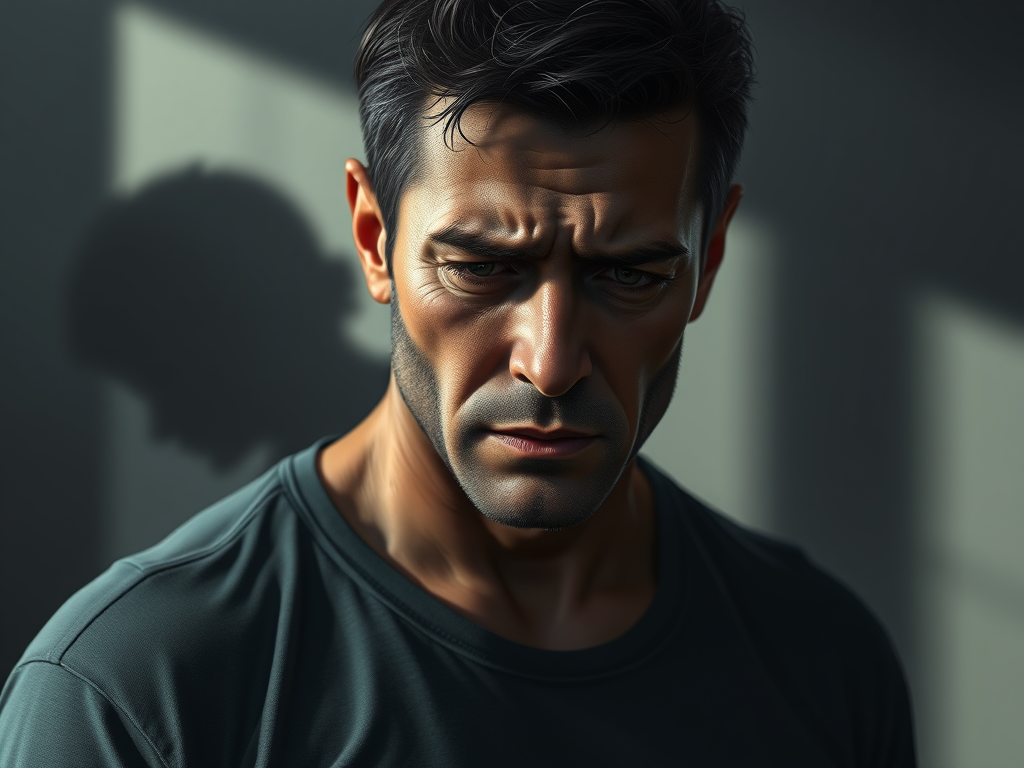
Childhood should be a time of safety and growth, but for many, it’s marked by trauma that leaves lasting scars. When children experience abuse, neglect, violence, or other traumatic events, their developing brains adapt for survival. These adaptations can carry into adulthood in ways that shape relationships, careers, health, and overall well-being.
What Is Childhood PTSD?
Post-traumatic stress disorder (PTSD) in children develops after exposure to overwhelming or threatening experiences. While adults may process trauma differently, a child’s brain and nervous system are still developing, making them more vulnerable to long-term effects. When PTSD isn’t addressed early, it can follow someone into adulthood.
Emotional & Psychological Effects in Adults
- Hypervigilance and anxiety: Adults may constantly scan their environments for danger, even in safe situations.
- Mood regulation difficulties: Irritability, anger outbursts, or emotional numbness often trace back to unresolved childhood trauma.
- Low self-esteem: Many survivors carry a sense of shame, guilt, or unworthiness rooted in early experiences.
- Depression: Persistent sadness, hopelessness, or lack of motivation is common when trauma reshapes self-perception.
Impact on Relationships
Childhood PTSD often disrupts a person’s ability to form safe and healthy bonds. Adults may struggle with:
- Trust issues: Fear of betrayal or abandonment makes intimacy difficult.
- Attachment styles: Some develop anxious attachment (clinginess, fear of rejection) while others lean toward avoidant attachment (emotional distance, fear of vulnerability).
- Conflict cycles: Triggers from past trauma can resurface in arguments, leading to patterns that feel familiar but destructive.
Physical Health Connections
Trauma isn’t only “in the mind.” It imprints on the body too:
- Higher risks of chronic illness such as heart disease, diabetes, or autoimmune conditions.
- Sleep disturbances like nightmares or insomnia.
- Substance use as a form of coping with intrusive memories or stress.
Work and Daily Life Challenges
Unresolved childhood PTSD can affect professional and personal growth:
- Difficulty concentrating or staying organized.
- Perfectionism or fear of failure, often rooted in early criticism or neglect.
- Burnout, as hyper-alert nervous systems never fully rest.
Pathways Toward Healing
While the effects of childhood PTSD are real and lasting, healing is possible:
- Therapy: Trauma-focused CBT, EMDR, or somatic therapies help reprocess traumatic memories.
- Support systems: Healthy relationships with friends, partners, or support groups create new models of safety.
- Mind-body practices: Yoga, mindfulness, and breathing exercises help calm the nervous system.
- Self-compassion: Learning to treat oneself with kindness is a powerful antidote to years of internalized shame.
Final Thoughts
Childhood PTSD doesn’t have to define someone’s adulthood. Acknowledging its impact is the first step toward breaking free from the cycle. Healing may be a lifelong journey, but with the right tools and support, survivors can rewrite their story—one built on resilience, self-understanding, and hope.
 Trauma Bonding Besties
Leave a comment